Showers & tubs
A shower or tub remodel can make your bathroom safer, easier to clean, and better to use every day. The big money question is usually not just the tile or fixture. It is whether the work behind the wall is done right, especially the waterproofing.
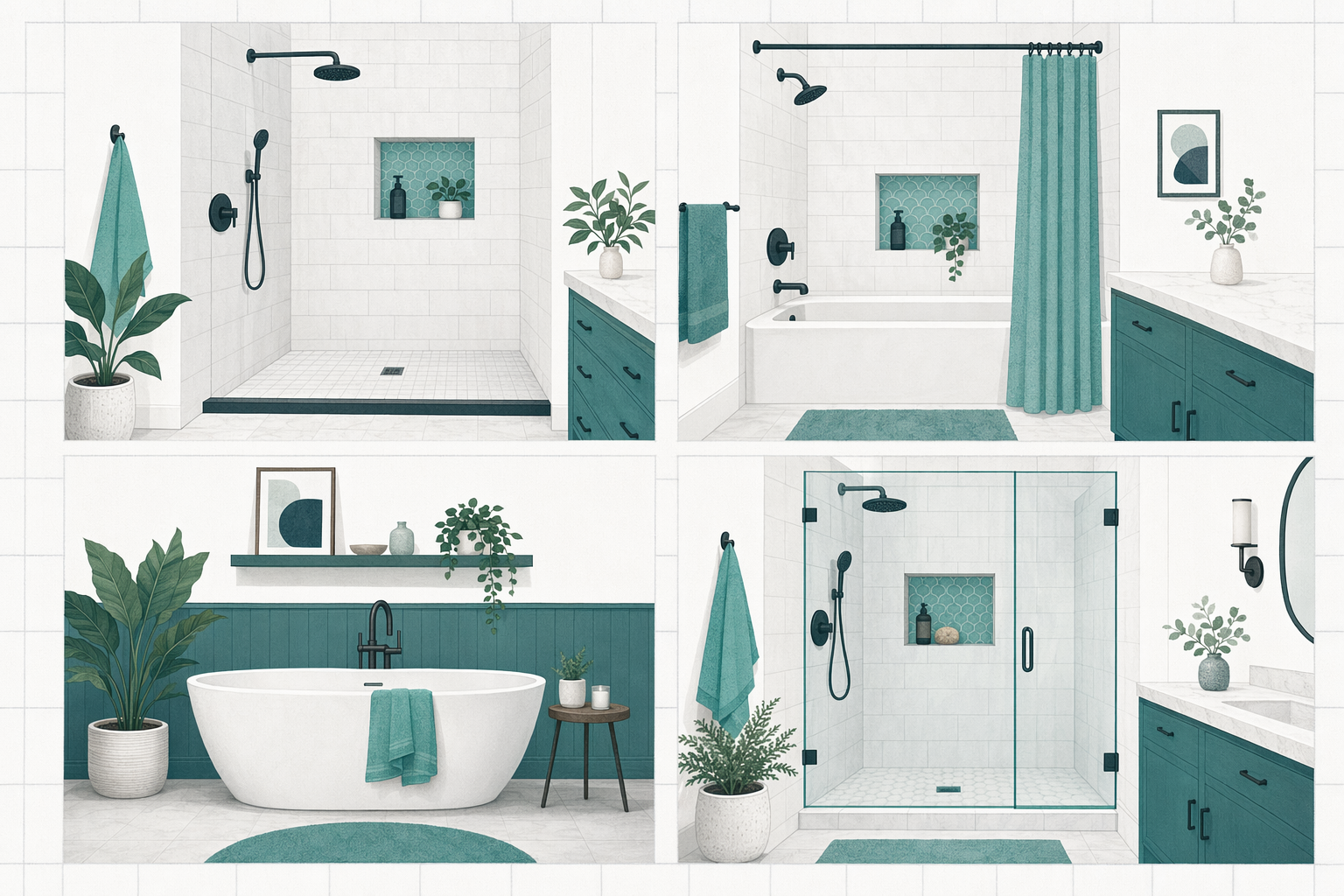
What a shower or tub remodel usually includes
Most projects fall into one of these buckets:
- Replace what is there: new tub, new shower walls, new valve trim, new glass or curtain rod, and fresh caulk.
- Tub-to-shower conversion: remove the tub and build or install a shower in its place.
- Shower-to-tub swap: less common, but sometimes important for families with small children.
- Full wet-area redo: new shower or tub, new wall tile or surround, new floor tile nearby, niche, pan/base, valve, and waterproofing behind the finish.
A simple refresh can be fairly affordable. A full tear-out costs more, but it is often the smarter move if you have old leaks, soft subfloor, mold smell, loose tile, or stained ceilings below.
If your project is part of a larger bathroom update, see full bathroom remodel. If you are mainly comparing tile choices, tile and flooring may help.
Important: TileQuarter is a free matching service. We help you compare licensed, insured, and bonded bathroom remodelers. We do not remodel bathrooms, pull permits, or give construction, plumbing, electrical, waterproofing, legal, or financial advice.
How the free matching process works
- Tell us about the project. Share the bathroom location, whether you want a shower, tub, or conversion, and basic contact details.
- Get matched for free. We connect you with participating remodelers in your area. Homeowners pay nothing for matching.
- Walk the job. Show each remodeler the space. Point out leaks, old damage, and anything you want changed.
- Compare written estimates. Make sure the price and scope are in writing before any deposit.
- Choose who to hire. You compare options, verify license and insurance yourself, and decide.
Ask each remodeler to spell out:
- demolition
- waterproofing system behind tile
- shower pan or tub setting method
- plumbing fixture brand and model
- tile size and layout
- grout type and caulk lines
- glass, doors, niche, bench, and trim details
- permit responsibility if needed
- cleanup and debris hauling
- payment schedule and final punch list
You stay in control. You compare quotes. You choose who to hire. You hold the final payment until the agreed work is complete.
Typical cost ranges
These are typical ranges and estimates, not quotes or guarantees. Real price depends on the size of the bathroom, the scope of work, the tile and fixtures, hidden moisture or framing damage, and your area.
- Minor shower or tub refresh: about $3,000-$10,000
- Example: basic fixture swap, surround replacement, some finish updates, limited repair.
- Mid-range shower or tub remodel: about $10,000-$25,000
- Example: tear-out, new tub or shower base, wall tile, valve and trim, niche, glass, better materials.
- Full gut wet-area remodel: about $25,000-$50,000+
- Example: layout changes, major plumbing changes, premium tile, custom shower, hidden damage repair.
- Tub-to-shower conversion: often around $4,000-$12,000 for a basic to mid-range job, but can go much higher with custom tile, glass, drain relocation, or structural issues.
- Porcelain floor tile installed: often around $8-$25 per sq ft depending on tile size, prep work, pattern, and area.
What usually drives the price up:
- Tile and labor. Large-format tile, niches, benches, curbless entries, and detailed layouts take more labor.
- Plumbing changes. Moving a drain or changing valve locations costs more than replacing in the same spot.
- Water damage. Rot, mold, damaged subfloor, or bad framing discovered after demolition adds cost.
- Glass and custom features. Frameless glass, built-in storage, body sprays, and premium fixtures add up fast.
If you want a broader pricing overview before you talk to remodelers, read bathroom remodel costs.
Timeline: how long a shower or tub remodel takes
A basic replacement may take only a few days. A custom tile shower can take much longer. A realistic range is often 3 days to 3 weeks, depending on the scope, inspections, product lead times, and whether hidden damage shows up after demo.
A simple timeline often looks like this:
- Planning and measuring: a few days to 2 weeks
- Materials ordered: a few days to several weeks
- Demolition: 1-2 days
- Rough plumbing or framing work: 1-3 days
- Waterproofing and pan/base work: 1-3 days
- Tile setting and grout: 2-7 days
- Fixture install and punch list: 1-2 days
Good remodelers will not rush waterproofing just to finish faster. That matters. The prettiest tile in the world will not save a shower that leaks behind the wall.
If the remodeler says waterproofing is not needed because tile or grout is already waterproof, treat that as a serious red flag. Learn the basics in waterproofing explained.
Pros, tradeoffs, and common mistakes
A new shower or tub can be a great upgrade because:
- it can stop old leaks and hidden moisture problems
- it can improve safety and access
- it is easier to clean than cracked old tile or worn surrounds
- it can make daily use feel much better without redoing the whole bathroom
But there are tradeoffs:
- custom tile showers cost more than many prefab systems
- frameless glass looks clean but adds cost and cleaning time
- curbless showers look great, but proper slope and waterproofing are critical
- removing the only tub in the home may hurt function for some families or future buyers
The most common mistakes homeowners regret:
- choosing only by the lowest price
- not asking what waterproofing system will be behind the tile
- paying a big deposit before the scope is written clearly
- buying materials before confirming sizes and compatibility
- assuming permits are optional when local code says otherwise
Follow local permits and building code. Hire licensed, insured, and bonded remodelers, and verify the license and insurance yourself. If permits may apply, this guide can help: bathroom permits explained.
What to ask before you hire
Bring these questions to every estimate appointment. Short, clear questions get better answers.
- Are you licensed, insured, and bonded for this type of bathroom work in my area?
- Who is doing the work each day: your crew or subcontractors?
- What waterproofing system will be installed behind the tile?
- Will you replace damaged backer, subfloor, or framing if you find it? How is that priced?
- Is this a same-location replacement, or are you moving plumbing?
- What is included in the written scope, and what is excluded?
- Are materials owner-supplied or contractor-supplied?
- Will permits be needed, and who handles them?
- How long should the job take, realistically?
- When is the final payment due?
It also helps to ask for model numbers, tile allowances if any, and a simple drawing or layout for niches, benches, and fixture placement.
If you need ideas for surfaces, sizes, and what wears well, use the tile buying guide.
How to vet a remodeler without getting burned
A smooth project usually starts with good vetting, not good luck.
- Verify license and insurance yourself. Do not rely only on a business card or text message.
- Read the written scope carefully. Make sure it lists demolition, prep, waterproofing, tile area, fixture install, cleanup, and who buys what.
- Check communication. If they dodge basic questions before the job, that usually gets worse later.
- Watch for vague wording. "Install shower" is too broad. You want specifics.
- Be careful with deposits. Get the price and scope in writing before any deposit.
- Hold final payment until the final walk-through. Make sure punch-list items are done.
An illustrative example: one homeowner compared two estimates for a tub-to-shower conversion. The lower number looked good at first, but it did not mention waterproofing, drain work, or disposal. The higher estimate did. After a few questions, the homeowner realized the cheaper offer was not really cheaper. It was just missing important parts.
If you want a practical checklist, read how to vet a bathroom contractor. When you are ready, you can get matched for free and compare local options.
A shower or tub remodel can cost a few thousand dollars or much more, depending on the size, scope, materials, hidden damage, and your area. Compare written estimates from licensed, insured, and bonded remodelers, make sure waterproofing behind the tile is included, follow permit rules, and do not pay the final amount until the job is done right.